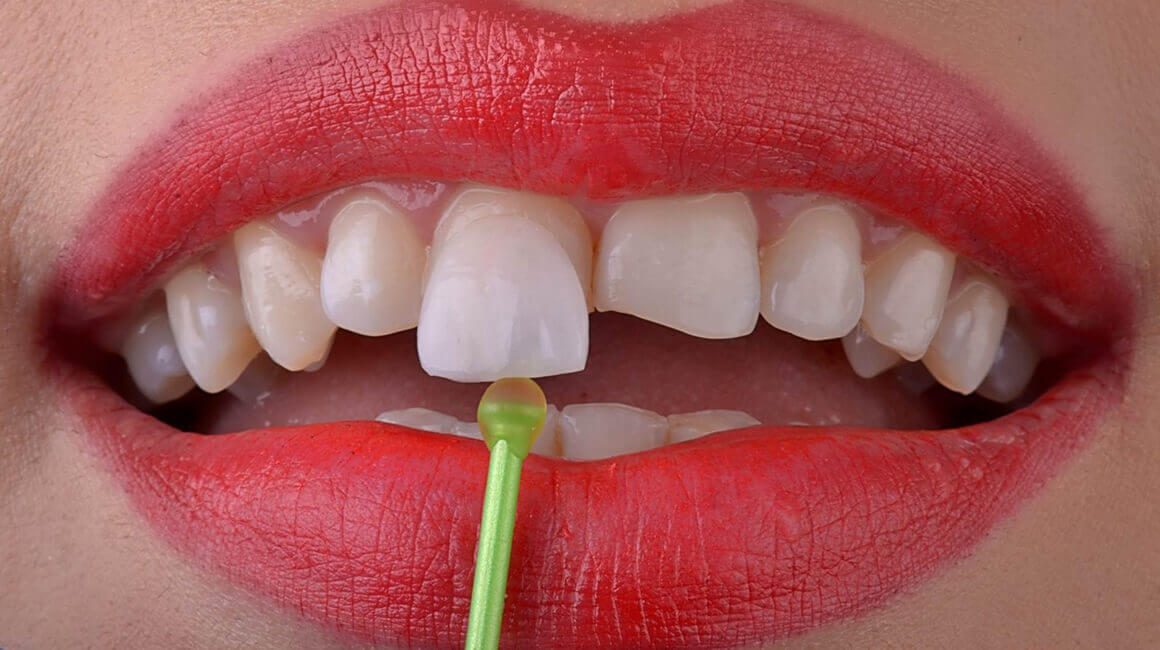
What a veneer is
A veneer is a thin layer of porcelain or glass-ceramic, such as E-max, bonded to the front surface of a tooth. It changes the colour, shape or length of the tooth. A small amount of enamel is usually removed first so the veneer sits flush with the neighbouring teeth.
What affects how long they last
There is no fixed lifespan. Ceramic veneers can last many years, but the figure varies from person to person. These factors make the biggest difference:
- The material: ceramic veneers resist staining and wear better than composite
- Your bite: grinding or clenching puts extra load on veneers
- Oral hygiene: gum disease or decay at the edge of a veneer can shorten its life
- Habits: biting nails, pens or opening packaging with your teeth
- Regular check-ups with your own dentist
Looking after veneers
Brush twice a day with a non-abrasive toothpaste and clean between your teeth daily. If you grind your teeth at night, your dentist may recommend a night guard. Keep up regular check-ups and hygiene appointments at home.
When a veneer needs replacing
A veneer may need to be repaired or replaced if it chips, comes loose, or if the gum recedes and the edge becomes visible. Your dentist will check the veneers and the teeth underneath and explain the options.
Is it right for you?
Veneers are not suitable for everyone. Teeth with large fillings, active decay or gum disease may need other treatment first, and crowns may be a better option for heavily damaged teeth. A dentist assesses this during your consultation.
This article is general information and does not replace a consultation with a dentist. Suitability, risks and recovery are assessed individually.
Start with a free consultation. Get a quote · WhatsApp +44 7427 830909